
Post-Traumatic Growth: When Struggle Becomes Transformation
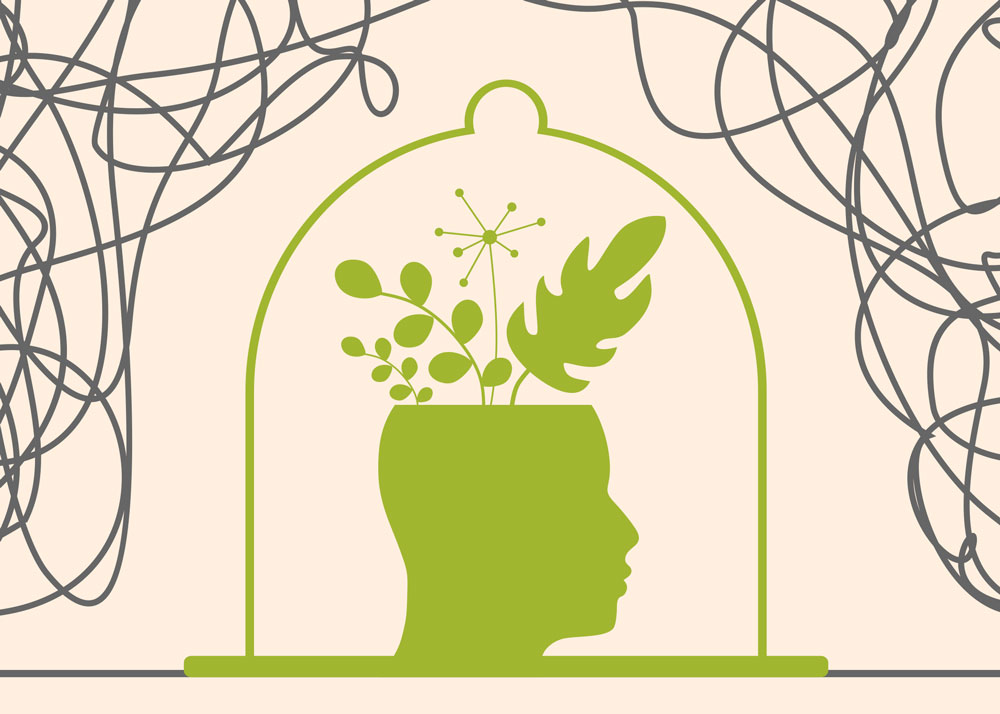
When people think about trauma, they often picture damage—something that leaves lasting pain or loss. But emerging research shows that many individuals also experience growth in the aftermath of adversity. This phenomenon, known as post-traumatic growth (PTG), describes the positive psychological change that can follow deeply challenging life events.
PTG doesn’t mean that hardship is "good" or that people should seek out suffering. Instead, it reflects the remarkable human capacity to rebuild meaning and identity after loss or disruption. At the Lyda Hill Institute for Human Resilience, this concept is directly connected to our work: transforming the science of resilience into practical tools for healing and empowerment.
What Is Post-Traumatic Growth?
Post-traumatic growth is the process of finding strength, new purpose, or appreciation for life after trauma. People may report:
Deeper relationships and empathy for others.
A renewed sense of priorities or spirituality.
Greater appreciation for life’s everyday moments.
Increased personal strength or self-confidence.
The theory was first described by psychologists Richard Tedeschi and Lawrence Calhoun, who found that adversity can act as a “catalyst” for meaning-making and change. Their research suggests that growth occurs not because trauma happens, but because of how people respond to it—through reflection, social connection, and support.
Growth and Resilience—Not the Same, but Connected
Resilience and post-traumatic growth often overlap, but they describe different aspects of recovery.
Resilience focuses on maintaining stability and functioning during stress.
Post-traumatic growth refers to transformation—emerging from adversity changed in meaningful ways.
At the Lyda Hill Institute for Human Resilience, programs such as GRIT (Greater Resilience Information Toolkit) and Trauma Training provide communities and clinicians with evidence-based strategies that encourage both resilience and growth. By combining research, outreach, and healing practices, the Institute helps individuals move beyond surviving toward thriving.
How Growth Happens
Growth unfolds through a process of:
Acknowledgment – Facing what happened rather than avoiding it.
Meaning-making – Reflecting on what the experience reveals about life, identity, and priorities.
Integration – Using insight to guide new goals, relationships, or actions.
This process is often supported by therapy, peer connection, or structured resilience training. While not everyone experiences PTG, access to supportive environments and education increases the likelihood of positive outcomes.
Moving Forward
Every individual’s path through trauma is unique. For some, growth comes in small steps—reconnecting with community, rediscovering creativity, or simply believing in the possibility of recovery.
At the Lyda Hill Institute for Human Resilience, we continue to study how environments, training, and care models can nurture these adaptive processes. By understanding post-traumatic growth, we can better help people transform adversity into renewed strength, purpose, and connection.
Learn more about how the Lyda Hill Institute for Human Resilience turns science into healing.
Explore our research, training, and community programs designed to strengthen resilience at every stage of life. Visit resilience.uccs.edu