
Resilience Across the Lifespan: From Teens to Older Adults
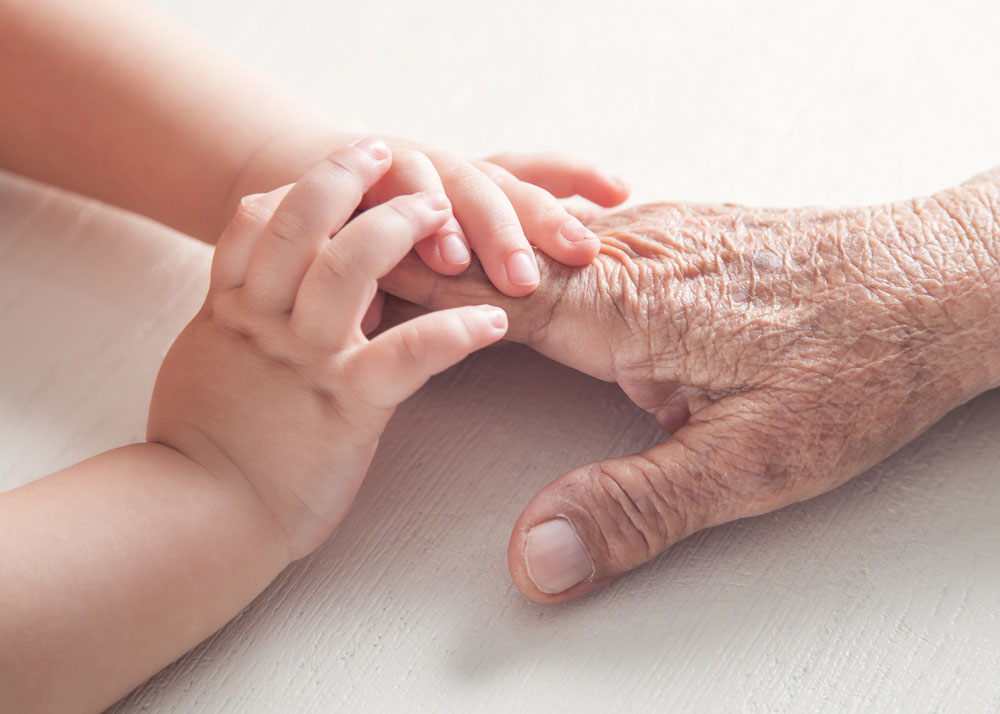
Resilience is often described as the ability to “bounce back” from life’s challenges. But what that looks like changes as we grow. The resilience of a teenager balancing school stress and social pressures is not the same as that of an older adult adapting to health changes or loss.
At the Lyda Hill Institute for Human Resilience, we view resilience as a dynamic process—one that evolves throughout life and can be strengthened at any age.
Building Resilience in Adolescence
For teens, resilience is closely tied to identity and belonging. Adolescents are developing independence and emotional regulation while still relying on family and social support. Programs like GRIT-TEEN are designed to help young people help others in their social circle by teaching skills for managing anxiety, communicating effectively, and building healthy support networks.
Research shows that adolescents with strong social support systems and opportunities for self-efficacy (believing in their ability to succeed) are less likely to experience long-term mental health problems after stress or trauma.
Resilience in Young and Middle Adulthood
As we enter adulthood, resilience often centers on balancing multiple roles—career, relationships, and personal well-being. For many, this phase involves setbacks like job loss, caregiving stress, or major life transitions. The ability to stay flexible, maintain perspective, and seek help when needed becomes key to long-term health.
The Institute ’s Trauma Training program supports this population by helping participants understand how stress affects the body and mind and how evidence-based strategies can promote recovery and growth.
Resilience in Later Life
Older adults face unique challenges—health issues, changing social circles, and sometimes grief. Yet, studies show that many older adults demonstrate high levels of psychological resilience, often drawing on a lifetime of perspective, wisdom, and coping experience. At this stage, resilience is less about bouncing back quickly and more about finding meaning and continuity in change. The Institute’s research explores how community, purpose, and connection can protect mental health and improve quality of life in various populations.
A Lifelong Skill That Can Be Learned
Across all ages, resilience depends on:
Connection: Strong relationships and community support.
Purpose: A sense of meaning or goals that guide recovery.
Adaptability: The willingness to adjust when life doesn’t go as planned.
Resilience is not a fixed trait; it’s a skill that grows with awareness, support, and practice. Through research, education, and outreach, the Lyda Hill Institute for Human Resilience is helping individuals at every life stage build stronger, more connected lives.
Build resilience at any age. Explore how the Lyda Hill Institute for Human Resilience supports communities through evidence-based programs like GRIT, Trauma Training, First Priority Peer Support, Veterans Health and Trauma Clinic, and Milestones Resilience Care. Learn more at resilience.uccs.edu