
Community Resilience in Times of Crisis
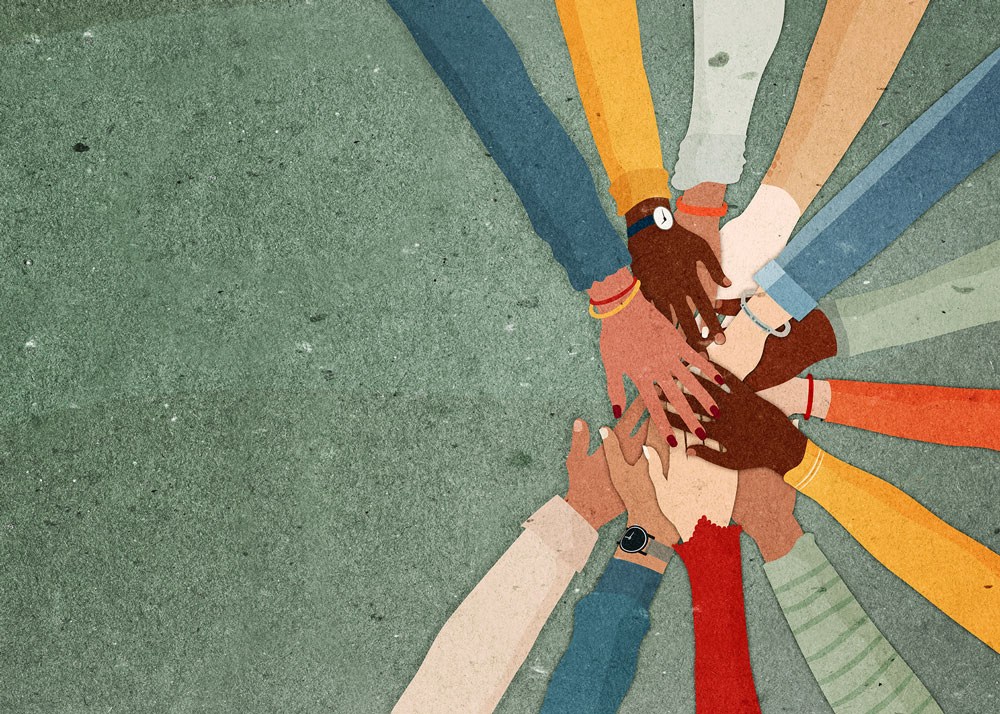
When disaster strikes—whether it’s a wildfire, a pandemic, or a community tragedy—recovery depends on more than individual strength. Community resilience is what allows people, organizations, and systems to come together, adapt, and rebuild.
At the Lyda Hill Institute for Human Resilience, community resilience is central to our mission. It is not just about enduring difficult times, but about emerging stronger through cooperation, trust, and shared purpose.
What Is Community Resilience?
Community resilience refers to the collective ability of people and systems to prepare for, respond to, and recover from adversity. It includes both tangible elements—like healthcare, housing, and infrastructure—and social factors such as trust, leadership, and emotional support.
Research has shown that communities with high social cohesion and communication are better equipped to withstand and recover from crisis. In other words, resilience grows where connection thrives as American Journal of Community Psychology said.
The Four Key Elements of Community Resilience
- Connection and Inclusion – Communities that value diversity and encourage participation create stronger networks of trust and cooperation.
- Communication and Leadership – Clear, compassionate communication and visible leadership help people stay informed and calm during crisis.
- Resources and Support Systems – Access to healthcare, mental health services, food, and housing are foundational to recovery.
- Learning and Adaptation – Communities that reflect on past experiences and plan ahead are more capable of adapting to new challenges.
These elements align with the Institute’s multi-dimensional approach to resilience—integrating science, outreach, and healing practices to strengthen both individuals and their social environments.
Programs That Build Collective Strength
Through initiatives like GRIT (Greater Resilience Information Toolkit), the Institute provides accessible training that helps community members support one another during and after crises. GRIT participants learn practical ways to check in, listen, and connect—simple actions that can dramatically reduce isolation and distress.
The Trauma Foundations training offers professionals, leaders, and educators the tools to respond with empathy and evidence-based strategies, creating a ripple effect that supports recovery across communities.
Recovery as a Shared Journey
True resilience is not about returning to “normal,” it’s about transforming together. Communities that rebuild with inclusivity, transparency, and compassion often come back stronger than before.
Whether it is neighbors helping each other after a fire, healthcare providers supporting frontline workers, or researchers designing better systems for the future, every act of connection builds collective resilience.
Resilience starts with community.
Learn how the Lyda Hill Institute for Human Resilience supports collective healing and preparedness through research, education, and programs like GRIT and Trauma Foundations. Explore our Community Training & Empowerment Programs.