
Resilience for Marginalized and Minority Communities
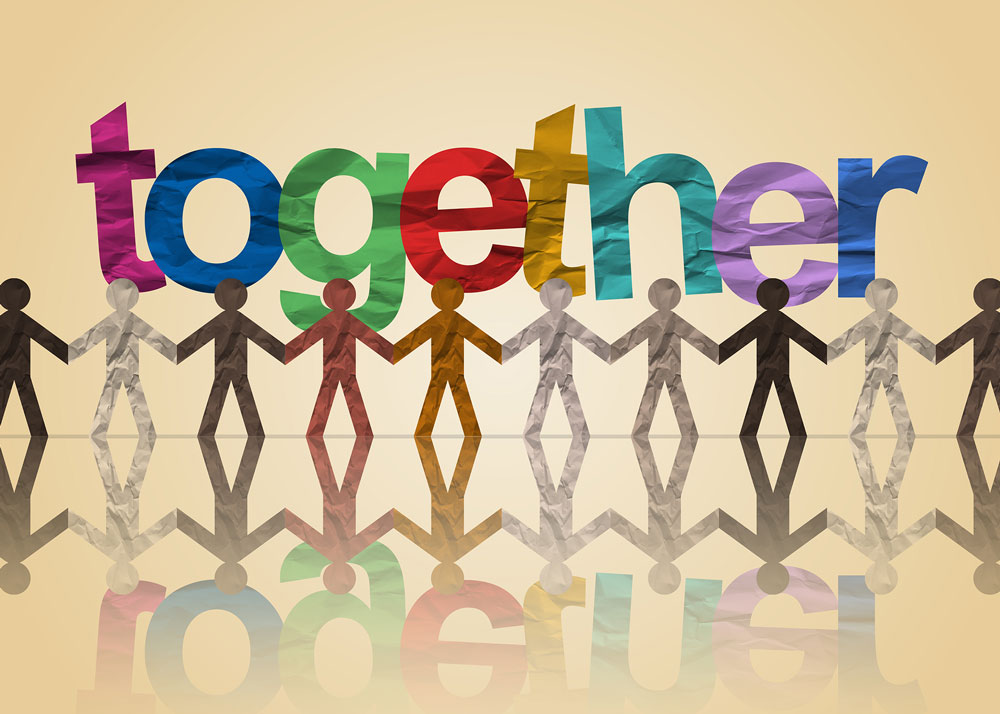
Resilience looks different for everyone. For marginalized and minority communities, it often develops in the face of persistent adversity—from systemic inequities and discrimination to cultural isolation and daily microaggressions. Yet, despite these challenges, individuals and communities continue to adapt, organize, and thrive.
At the Lyda Hill Institute for Human Resilience, we recognize that resilience must be understood through a culturally informed lens. It’s not about enduring hardship alone; it’s about fostering environments that affirm identity, promote equity, and empower connection.
The Weight of Minority Stress
Minority stress refers to the chronic strain experienced by individuals from marginalized groups due to prejudice, discrimination, and social disadvantage. Over time, these stressors can impact mental and physical health, leading to higher rates of anxiety, depression, and trauma-related symptoms.
However, research shows that protective factors—such as strong cultural identity, social belonging, and community advocacy—can buffer these effects. Building spaces that value and support diversity strengthens not only individual well-being but also community resilience as a whole.
Cultural Strengths as a Source of Resilience
Cultural resilience draws from collective traditions, values, and stories that sustain individuals through adversity.
Examples include:
Faith and spirituality that provide meaning and comfort.
Intergenerational wisdom passed through family and community networks.
Shared activism and advocacy that transform pain into purpose.
Language, art, and storytelling that preserve identity and pride.
Recognizing and celebrating these sources of strength is vital. It shifts the focus from deficits to assets—from what communities lack to what they have long used to survive and flourish.
Programs That Honor Diversity and Healing
The Lyda Hill Institute for Human Resilience integrates these insights across programs like GRIT, First Priority Peer Support, and Trauma Training, ensuring training and outreach efforts are inclusive, trauma-informed, and culturally responsive. By tailoring interventions to the lived experiences of participants—including race, ethnicity, gender, sexuality, and socioeconomic background, we create pathways for resilience that truly fit the people we serve.
Beyond Individual Coping: Systemic Support
Building resilience among marginalized communities also means addressing systemic barriers. Access to healthcare, education, safety, and representation are not privileges—they are prerequisites for well-being. The Institute collaborates with local organizations, clinicians, and educators to advocate for structural changes that make resilience sustainable, not situational.
Resilience grows when everyone belongs.
Learn how the Lyda Hill Institute for Human Resilience is advancing research and community programs that honor every person’s right to heal and thrive. Explore our Community Training & Empowerment Programs.