
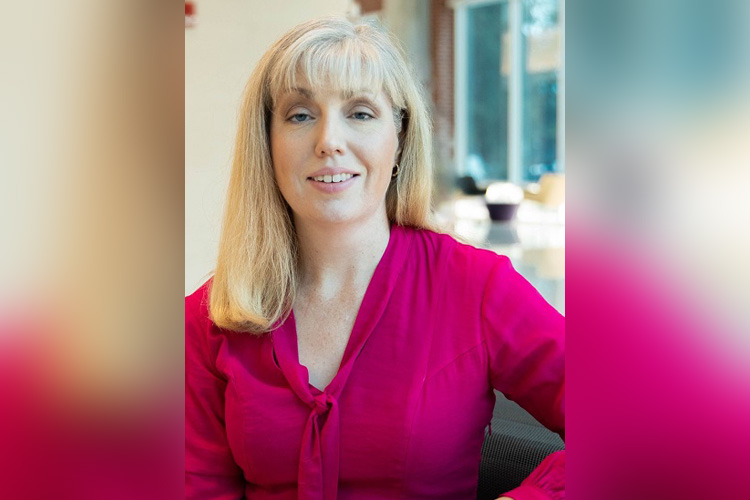
Lyda Hill Institute for Human Resilience Director of Research Operations and Professor Dr. Heather Littleton was recently featured in Psychology Today in an interview exploring how individuals and communities can build effective social support systems following...
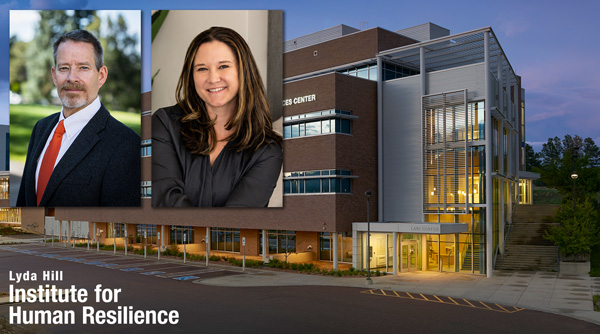
The Lyda Hill Institute for Human Resilience is proud to announce the promotion of Nicole Weis, MA, LPC, LAC, to Co-Executive Director, a new leadership role she will share with Institute founder and Executive Director Dr. Charles "Chip" Benight. For years, Weis has...

The Lyda Hill Institute for Human Resilience at UCCS continues to expand its impact by making resilience training more accessible to diverse communities. The Institute’s GRIT-Care program, part of the Greater Resilience Information Toolkit (GRIT) program, is now...

Discover how digital apps and online tools support resilience training. Learn how the Lyda Hill Institute for Human Resilience blends virtual learning with real-world connection through programs like GRIT and Trauma Foundations.

Discover how post-traumatic growth helps people transform adversity into strength and meaning. Learn how the Lyda Hill Institute for Human Resilience turns resilience science into real-world healing.

Learn how resilience theories such as the ART and socio-ecological models shape real-world programs like GRIT at the Lyda Hill Institute for Human Resilience.

Resilience is often described as the ability to “bounce back” from life’s challenges. But what that looks like changes as we grow. The resilience of a teenager balancing school stress and social pressures is not the same as that of an older adult adapting to health changes or...

Discover how community resilience helps neighborhoods recover and rebuild after crisis. Learn how the Lyda Hill Institute for Human Resilience strengthens collective healing through programs like GRIT and Trauma Foundations.

Discover how marginalized and minority communities build resilience through culture, connection, and advocacy. Learn how the Lyda Hill Institute for Human Resilience creates inclusive, equity-driven programs for healing and growth.
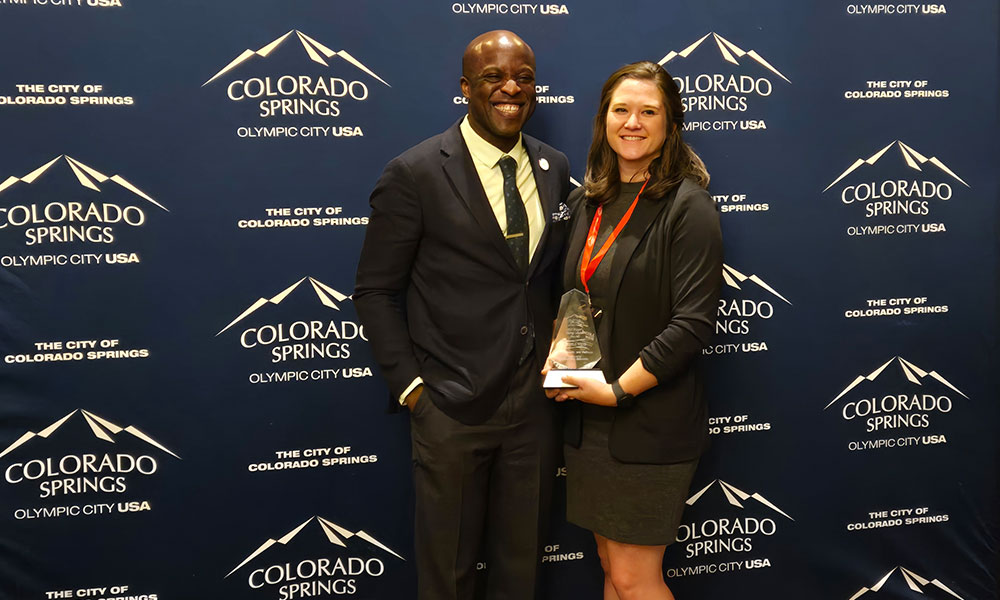
We are pleased to announce that Nicole Weis, Director of Healing and Community Programs at the Lyda Hill Institute for Human Resilience at UCCS, has been selected as the 2025 recipient of the Sports, Health & Wellness category in the...